Auditory Screening Test: A Vital Step Toward Better Hearing Health

Hearing plays a crucial role in communication, social connection, and overall quality of life. Yet, hearing problems often go unnoticed until they begin to interfere with daily activities. This is where an auditory screening test becomes essential. Designed to identify potential hearing issues early, this test acts as the first line of defense against long-term auditory complications.
An auditory screening test is a quick, non-invasive procedure used to determine whether an individual may have hearing difficulties. It does not provide a complete diagnosis but helps identify whether further evaluation is required. From newborns to older adults, regular hearing screenings are recommended for people of all ages.
Why an Auditory Screening Test Is Important
Hearing loss can develop gradually, making it difficult for individuals to recognize the early signs. Many people adapt to reduced hearing without realizing the extent of the problem. An auditory screening test helps detect these issues early, allowing timely intervention and preventing further deterioration.
Early detection is particularly important for children, as untreated hearing problems can impact speech development, learning ability, and social skills. For adults, early identification can improve workplace performance, relationships, and overall mental well-being.
What Happens During a Hearing Test?
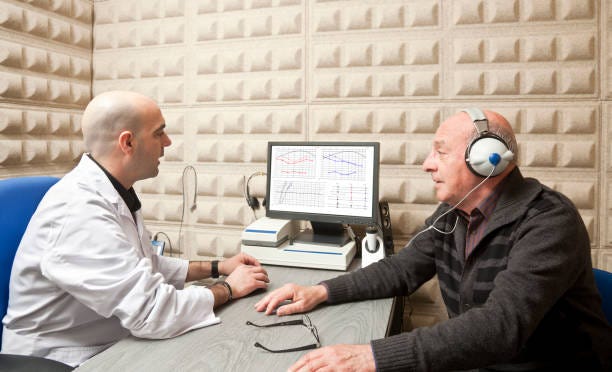
A standard hearing test typically begins with an auditory screening test. During the screening, the individual may be asked to respond to different sounds or tones played through headphones. The goal is to determine whether sounds at various frequencies and volumes can be heard clearly.
If the screening indicates potential concerns, a more detailed assessment is recommended. One of the most common follow-up procedures is the pure tone audiometry test, which provides precise information about hearing ability across different sound frequencies.
Understanding the Pure Tone Audiometry Test
The pure tone audiometry test is a diagnostic hearing assessment conducted in a controlled environment. During the test, tones of varying pitches and intensities are played through headphones, and the patient signals when they hear a sound. The results are plotted on an audiogram, which helps audiologists determine the type and degree of hearing loss.
This test is essential for identifying whether hearing loss is conductive, sensorineural, or mixed. It also guides professionals in recommending appropriate treatment options, such as hearing aids, medical intervention, or lifestyle changes.
Who Should Take a Hearing Loss Test?
A hearing loss test is recommended for anyone experiencing symptoms such as difficulty understanding conversations, frequently asking others to repeat themselves, ringing in the ears, or increasing the volume on electronic devices. Individuals exposed to loud noise environments, such as industrial workers or musicians, should also undergo regular hearing assessments.
Older adults are particularly encouraged to schedule routine auditory screening tests, as age-related hearing loss is common and often progressive. However, hearing loss is not limited to aging — infections, genetics, medications, and noise exposure can affect people of any age.
Benefits of Regular Auditory Screening
Routine auditory screening tests offer multiple benefits. They help track changes in hearing over time, ensure early detection of problems, and reduce the risk of permanent hearing damage. Early intervention can significantly improve outcomes and quality of life.
Ear Solutions emphasize the importance of proactive hearing care through regular screenings and professional evaluations. By prioritizing hearing health, individuals can stay connected, confident, and engaged in their daily lives.
Taking the Next Step Toward Better Hearing
If a screening suggests potential hearing concerns, seeking a comprehensive hearing test is the logical next step. Advanced assessments like the pure tone audiometry test provide clarity and direction for treatment. With the right support and timely care, many hearing issues can be managed effectively.
Healthcare providers and hearing aids centre, play a key role in raising awareness about the importance of hearing evaluations. Whether you are experiencing symptoms or simply want peace of mind, scheduling an auditory screening test is a simple yet powerful step toward protecting your hearing health.
Conclusion
An auditory screening test is more than just a routine check — it’s a proactive measure that safeguards one of our most vital senses. By combining regular screenings with comprehensive hearing tests when needed, individuals can detect issues early and take control of their auditory well-being. Don’t wait for symptoms to worsen; prioritize your hearing today for a clearer, more connected tomorrow.